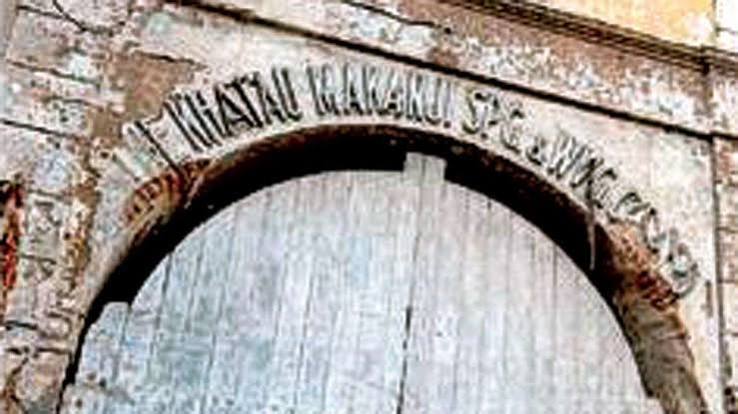
Seth Khatau Makanji establishes the mill at Byculla
Seth Khatau Makanji, a Bhatia merchant from Gujarat, incorporates the Khatau Makanji Spinning and Weaving Company on 19 October 1874 — one of Bombay's first mechanised textile ventures led by a non-Parsi entrepreneur, at a time when the city's cotton industry was dominated by Parsi capital.
The mill occupies 13 acres in Byculla, powered by machinery imported from England, spinning and weaving cotton cloth for a growing domestic market. One of the earliest mills in Bombay — established barely a dozen years after the city's first mill opened in 1854.
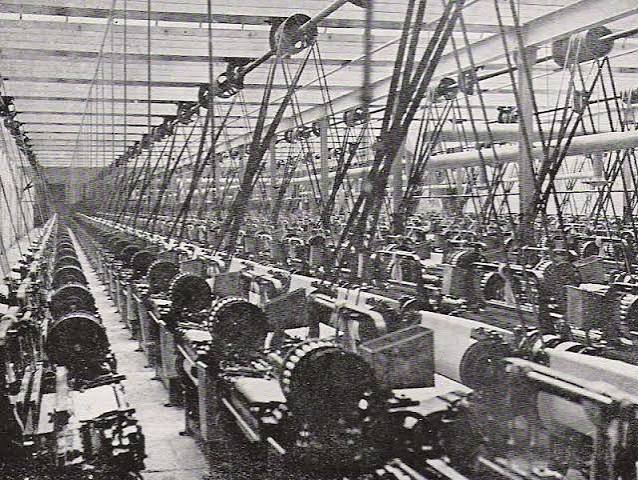
The Khatau Group at its industrial height
By the 1940s the Khatau Group operates three major mills — Byculla and Borivali in Mumbai, and Mahad in Maharashtra's Konkan region — employing thousands of workers and supplying cloth to a domestic market accelerating toward independence.
Bonus share issuances in 1943, 1947, and subsequent years reflect consecutive profitable periods — a mill at full capacity, weaving for a nation on the cusp of its greatest transformation. The group simultaneously co-founds ACC Limited with the Tatas in 1936 and Hindustan Aircraft — now HAL — with Walchand Hirachand in 1940.
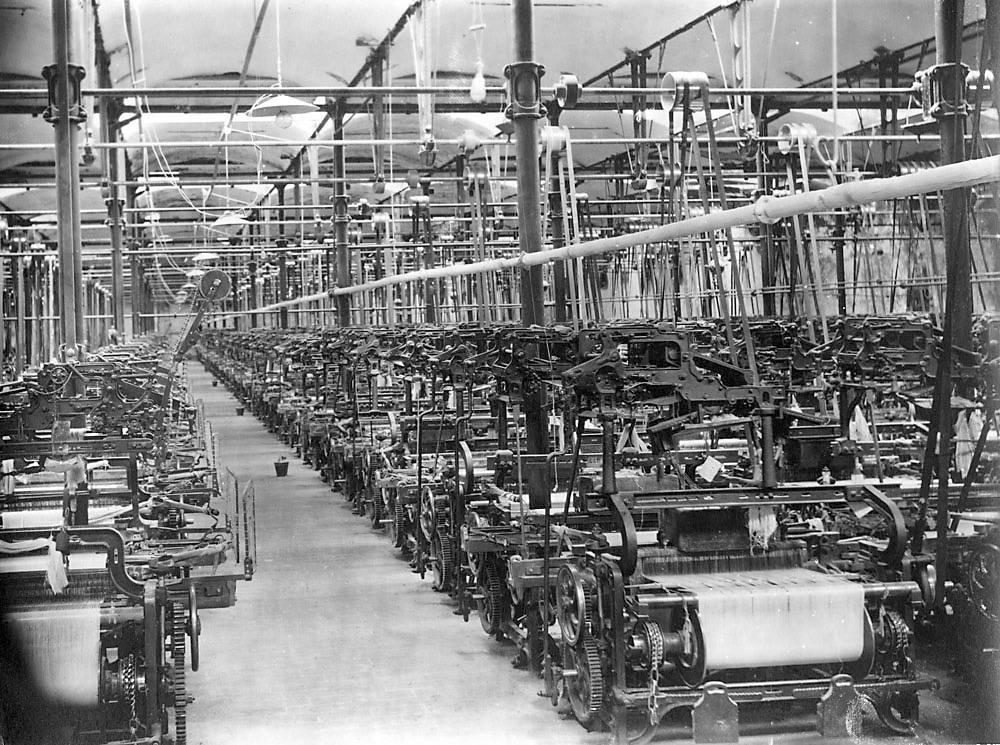
Japan-imported machinery. India's first marble chiffon.
Under Chairman Sunit Khatau, the group invests heavily in modernisation — importing precision machinery from Japan to produce fabrics that no Indian mill had made before. Khatau becomes the first mill in India to produce marble chiffon, an avant-garde fabric that positions the company at the frontier of Indian textile innovation.
The group reaches peak revenues of ₹2,000 crore across textiles, cement, chemicals, and shipping — one of India's leading industrial houses at its commercial summit.
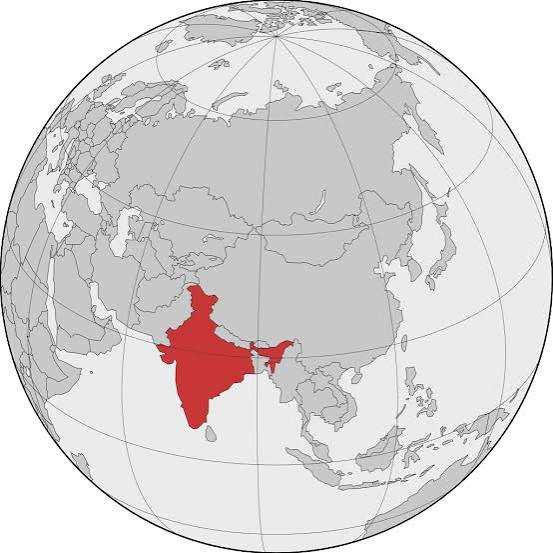
India's economy opens — Khatau cloth reaches the world
India's landmark economic liberalisation of 1991 dismantles the licence raj and opens the country to global trade. For Khatau, it unlocks export markets that had previously been inaccessible — premium cotton and silk weaves begin reaching European and American buyers for the first time.
For 117 years, Khatau cloth had served the domestic market. 1991 changes that — the Byculla mill's output begins crossing oceans, carrying the Khatau name beyond India's borders for the first time in its history.
Aparna Sunit Khatau carries the legacy forward
Aparna Sunit Khatau, daughter of Chairman Sunit Khatau, leads as Managing Director of Shreenath Traders — the trading entity through which the Khatau textile legacy reaches the market today.
Under her leadership, the business combines 150 years of craft knowledge with a forward-looking focus on export growth, sustainable sourcing, and a new generation of buyer and partner relationships across India and internationally.
From the Byculla mill founded in 1874 to a global trading operation in 2026 — the thread is unbroken.